Hi, I’m glad you’re here.
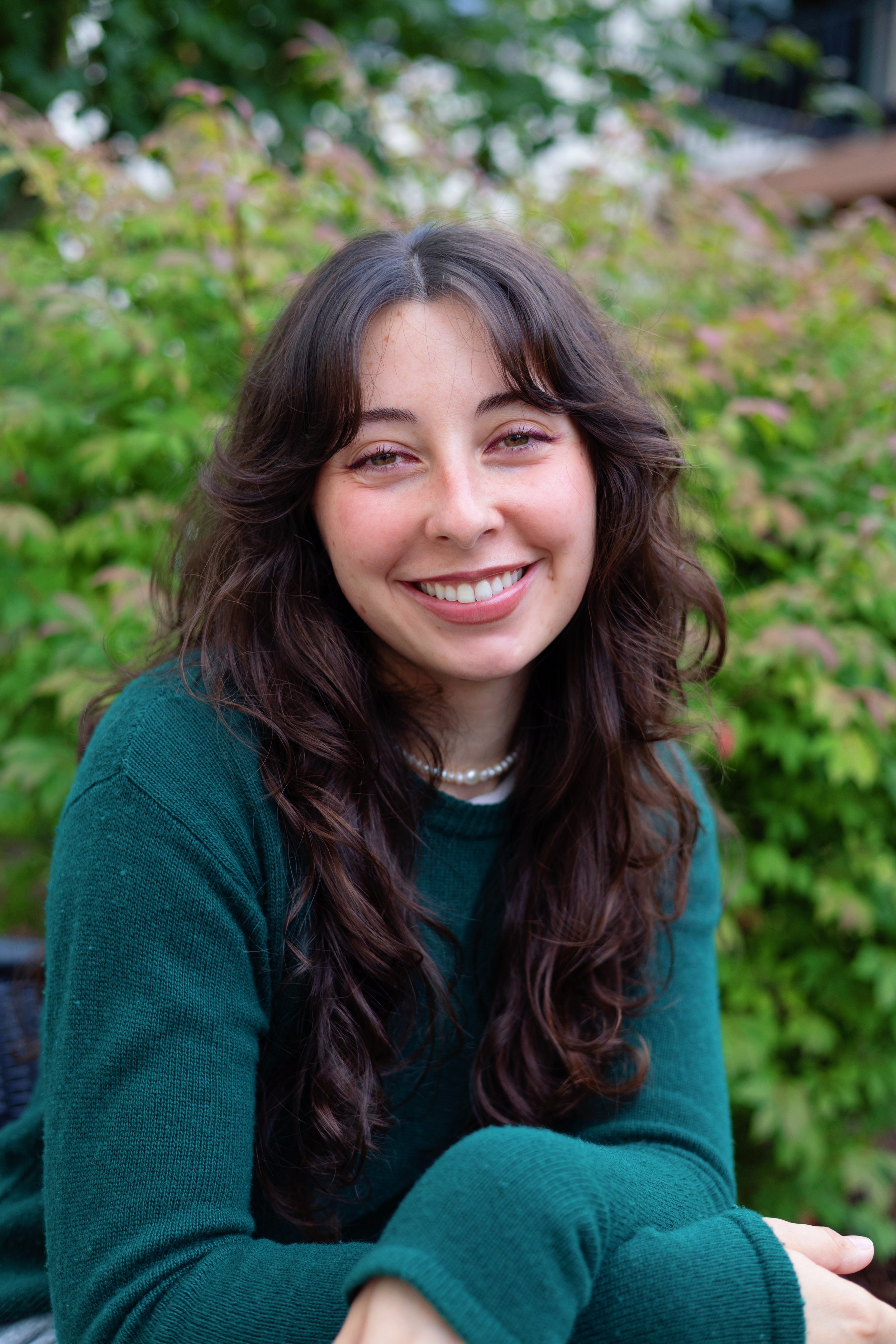
I’m a therapist who works primarily with adults who are navigating the lasting effects of childhood and developmental trauma, sexual trauma, attachment wounds, and difficult relationship experiences.
My work is grounded in EMDR therapy and informed by compassionate, attachment-based, relational, and trauma-focused approaches. Three ideas are especially central to who I am as a therapist: an adaptive understanding of trauma, a relational approach to therapy, and a systems-informed perspective.
I believe therapy should be a place where you can be fully human. You don’t need to have the right words, know exactly what is wrong, or arrive with a perfectly organized story.
We can figure it out together.
I don’t think of trauma simply as what happened to you.
I think about how you changed in order to cope with what you went through.

An Adaptive Understanding of Trauma
When something is overwhelming, painful, threatening, or simply too much to process, we adapt. We learn what to pay attention to, what to avoid, what parts of ourselves to express, and what we need to do to maintain connection, safety, or belonging.
These adaptations are often incredibly intelligent protective measures, but our nervous systems don’t always recognize when the circumstances have changed.
Therapy can create space to understand what these adaptations were designed to do, what they learned from your experiences, and whether they are still serving you now.
Healing isn’t about becoming a completely different person. It’s about having more freedom to choose how you respond when the old patterns are no longer needed in your life today.
I believe the relationship we build is an essential part of healing.

A Relational Approach to Therapy
I don’t believe therapists need to be blank slates or detached observers. I show up as a real person, with genuine care and emotional presence. When you’re hurting, I want to feel with you in that experience, not simply analyze from the outside.
And yes, that means I sometimes cry with my clients.
Therapy can be a place where you experience what it feels like to be fully seen by another person and to have all parts of you met with curiosity, care, and accpetance.
Your experiences don’t exist in isolation from the world around you.

A Systems-Informed Approach
Our families, relationships, identities, and opportunities to feel safe and supported are shaped by the larger social and cultural contexts.
Systems of power and oppression—including racism, sexism, ableism, capitalism, economic inequality, gender inequality, and more—shape what we’re taught about ourselves, what emotions are acceptable, whose needs are prioritized, and how we are expected to exist in the world.
I don’t believe therapy should ever communicate that every struggle is an individual problem you simply need to fix within yourself. Sometimes the most healing thing we can do is recognize that a reaction makes sense within the context of your intersectional identities and experiences.
Understanding the systems and contexts that we live within allows us to work toward meaningful change without blaming you for the conditions that shaped you.
Qualifications

-
Licensed Professional Clinical Counselor #23234 — California (2026)
Practicing since 2022
-
EMDR-Trained (2023)
Essential EMDR Treatment Planning (2025)
Enactment-Focused EMDR: Targeting the Space Between Attachment Wounds (2025)
Integrating EMDR and Couples Therapy (2025)
EMDR Intensives: Creating an Immersive Multi-Modal Therapeutic Experience (2025)
Map the Forest & Trees: AIP Conceptualization of Complex Trauma & Attachment (2025)
When the Train Stops Moving: Navigating Stuck Processing in EMDR (2026)
The Flash Technique: Basic Principles and Protocols (2026)
-
M.S., Counseling — California State University, Fullerton (2023)
B.S., Psychology — Washington State University (2018)
Ready for deeper trauma work?
Whether you’re ready to schedule or simply want to explore whether EMDR therapy may be a good fit, you can start here.